My Store
Native Southern Dewberry
Native Southern Dewberry
Couldn't load pickup availability
Native Southern Dewberry
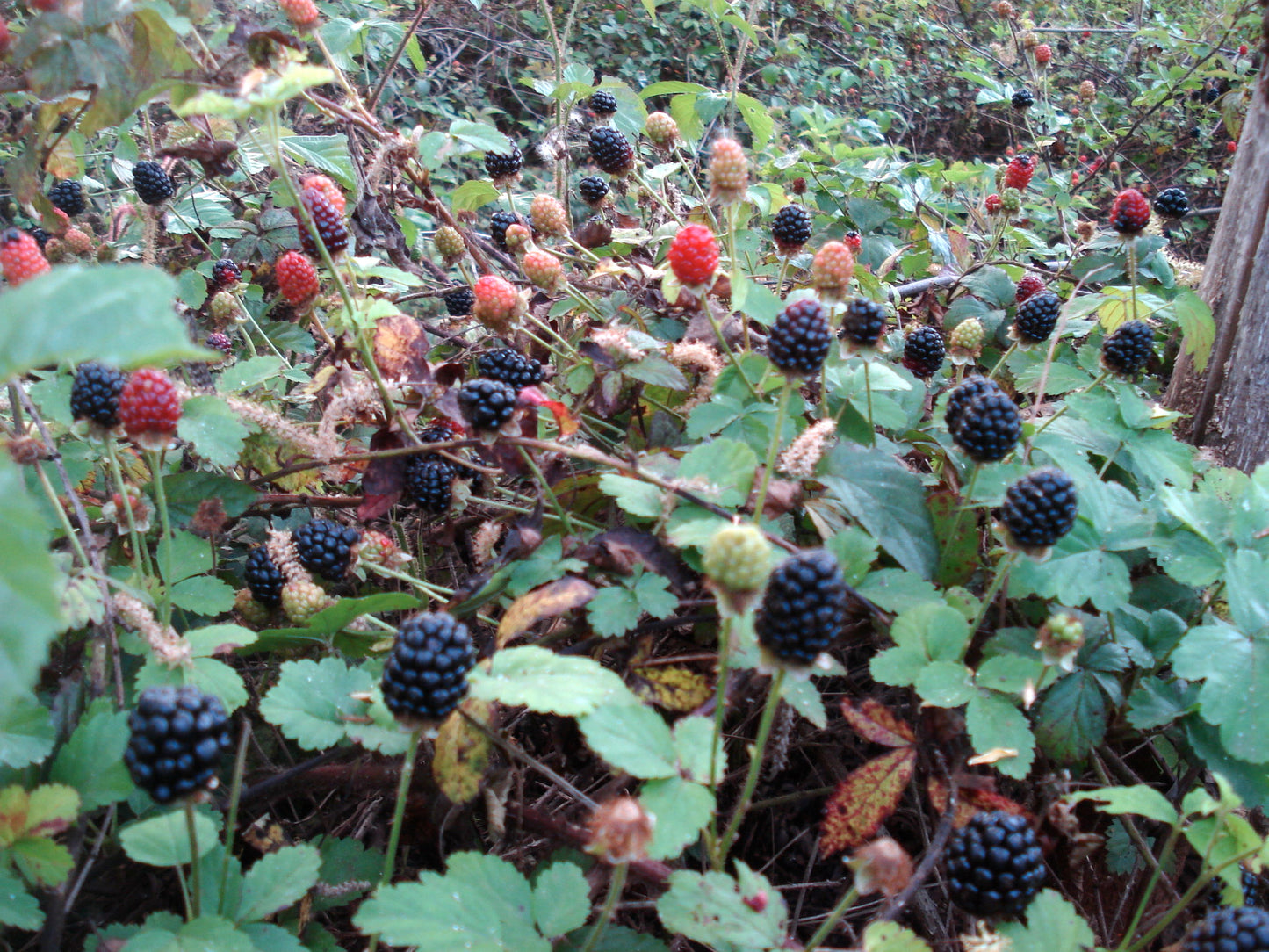
Native dewberry is a low-growing, thorny trailing bramble native to the southern and eastern United States. Closely related to blackberries, it produces small to medium-sized, deep purple to nearly black berries with a rich, sweet-tart flavor that’s excellent for fresh eating, cobblers, jams, and jellies.
Well adapted to sandy soils, heat, and drought, native dewberry thrives in fields, woodland edges, and open areas. Its spreading growth habit makes it ideal for naturalized plantings, erosion control, and wildlife gardens.
Mature Size: 6–12 inches tall; trailing canes spread 3–6 ft. or more
Spacing: 3–5 ft. apart
Harvest Season: Late spring to early summer (often earlier than blackberries)
Growth Habit: Low-growing, trailing bramble, thorny
Growing Information
USDA Hardiness Zones: 6–9
Sun Exposure: Full sun to partial shade (best fruiting in full sun)
Soil Type: Well-drained sandy or loamy soil
Soil pH: Slightly acidic to neutral (ideal range 5.5–6.8)
Watering
Dewberries are relatively drought tolerant once established but produce best with consistent moisture during flowering and fruit development.
Provide about 1 inch of water per week during dry periods. Water deeply and allow soil to dry slightly between waterings. Good drainage is essential, as brambles do not tolerate standing water.
Mulching with straw, pine needles, or leaf litter helps conserve moisture and suppress weeds.
Sunlight
Full sun produces the highest yields and sweetest berries. Plants will tolerate partial shade, especially in hotter climates, but fruit production may be reduced.
Fertilizing
Native dewberries generally require minimal fertilization, especially in fertile soils.
Early Spring (as new growth begins):
Apply a light feeding of balanced fertilizer such as 10-10-10 at a rate of about ¼–½ cup per plant. Spread evenly around the root zone and water thoroughly.
Top-dressing annually with compost is often sufficient. Avoid excessive nitrogen, which encourages leafy growth at the expense of fruit.
Pruning
Dewberries produce fruit on second-year canes (floricanes).
• After harvest, remove the canes that produced fruit by cutting them to ground level
• Allow new first-year canes (primocanes) to grow and spread for next season’s crop
• Thin overcrowded growth to improve airflow and reduce disease risk
• Lightly train or reposition trailing canes as needed
Because of their spreading habit, periodic thinning helps keep plants manageable.
Harvesting
Berries ripen in late spring to early summer and are often ready before many blackberry varieties.
Fruit is ready when it turns deep purple-black and easily separates from the plant with a gentle pull. Harvest every 2–3 days during peak season.
Dewberries are delicate and highly perishable. Handle carefully and refrigerate promptly. Use fresh within a few days or preserve by freezing or making jams and syrups.
Propagation
Dewberries spread naturally by trailing canes that root where they touch the soil (tip rooting).
Tip Rooting (Natural Layering):
In late summer, allow healthy trailing cane tips to contact the soil.
The tip will naturally form roots where it touches the ground.
Once well rooted (by fall or the following spring), cut the new plant from the parent cane and transplant to its permanent location.
They may also be propagated by root cuttings or by digging naturally rooted daughter plants during dormancy.