My Store
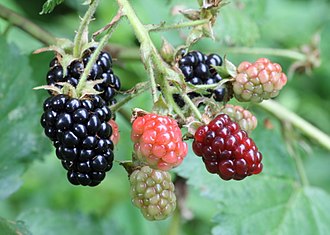
Common Blackberry (Native Blackberry)
Common Blackberry (Native Blackberry)
Couldn't load pickup availability
Common Blackberry (Native Blackberry)
Native blackberry plants are vigorous, hardy, thorny brambles found throughout much of the eastern and central United States. They produce medium to large, glossy black berries with a rich, sweet flavor balanced by mild tartness—excellent for fresh eating, cobblers, pies, jams, jellies, and freezing.
Highly adaptable and resilient, native blackberries thrive in fields, woodland edges, and open sunny areas. They are valued for dependable harvests, wildlife support, and their ability to tolerate heat, humidity, and varying soil conditions.
Mature Size: 3–6 ft. tall and wide (depending on variety and pruning)
Spacing: 3–5 ft. apart
Harvest Season: Early to mid-summer (varies by region)
Growth Habit: Upright to arching bramble, thorny
Growing Information
USDA Hardiness Zones: 5–9
Sun Exposure: Full sun (6–8+ hours daily for best fruit production)
Soil Type: Well-drained loam, sandy loam, or clay-loam
Soil pH: Slightly acidic (ideal range 5.5–6.5)
Watering
Blackberries are moderately drought tolerant once established but produce best with consistent moisture.
Provide about 1–2 inches of water per week during flowering and fruit development. Water deeply once or twice weekly rather than frequent shallow watering. Good drainage is essential, as blackberries do not tolerate standing water.
Mulching with straw, pine needles, or shredded bark helps conserve moisture and suppress weeds.
Sunlight
Full sun is essential for maximum berry size, sweetness, and overall yield. Plants will tolerate light shade, but fruit production and sugar content may decrease.
Fertilizing
Native blackberries generally require moderate feeding to support strong cane growth and fruiting.
Early Spring (as new growth begins):
Apply a balanced fertilizer such as 10-10-10 at a rate of about ½ cup per plant, spread evenly around the root zone (12–18 inches from the base). Water thoroughly after application.
Compost or well-aged manure may be used as a natural alternative. Avoid excessive nitrogen, which promotes excessive leafy growth and reduces fruiting.
Pruning
Native blackberries produce fruit on second-year canes (floricanes).
• After harvest, remove the canes that produced fruit by cutting them to ground level
• Allow new first-year canes (primocanes) to grow for next year’s harvest
• In late winter, thin remaining canes to 4–6 strong canes per plant
• Remove weak, damaged, or crowded growth
Proper pruning improves airflow, reduces disease risk, and increases berry size and yield.
Harvesting
Berries typically ripen from early to mid-summer.
Fruit is ready when fully black, plump, and easily detaches with a gentle pull. Harvest every 2–3 days during peak season.
Blackberries are delicate and perishable. Handle gently and refrigerate promptly. For best flavor, use fresh within a few days or preserve by freezing, drying, or making jams and syrups.
Propagation
Native blackberries spread naturally by root suckers and tip layering.
Tip Layering:
In late summer, select a healthy, flexible cane.
Bend the tip down to the soil surface and bury it 2–3 inches deep in loose soil.
Keep the soil moist. Roots will form at the buried tip within several weeks.
Once well rooted (by fall or the following spring), cut the new plant free from the parent cane and transplant it to its permanent location.
They may also be propagated by digging root suckers during dormancy.