C&P Plant Nursery
Thorny Loganberry
Thorny Loganberry
Couldn't load pickup availability
Thorny Loganberry
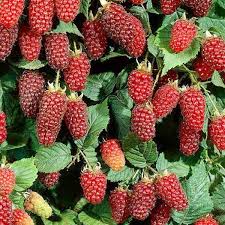
The Loganberry is a unique hybrid between a North American blackberry and a European raspberry, combining the best qualities of both. This vigorous, trailing bramble produces abundant crops of elongated, deep red berries with a rich, juicy texture and a distinctive sweet-tart flavor. Loganberries are excellent for fresh eating, baking, syrups, jams, and freezing.
This thorny variety is valued for its strong growth, dependable yields, and notable tolerance to both heat and cold, making it adaptable across a wide range of climates. Its trailing growth habit makes it ideal for trellises or fence lines, where the canes can be trained for easier harvesting, better airflow, and improved sun exposure.
Mature Size: 4–6 ft. long canes (trailing habit)
Spacing: 4–6 ft. apart
Harvest Season: Early to mid-summer (may vary by region)
Growth Habit: Vigorous, trailing canes
Growing Information
USDA Hardiness Zones: 5–10
Sun Exposure: Full sun (6–8+ hours daily for best fruit production)
Soil Type: Well-drained, fertile loam
Soil pH: Slightly acidic to neutral (ideal range 6.0–6.5)
Watering
Keep soil consistently moist, especially during flowering and fruit development. Provide about 1-2 inches of water per week. Water deeply once or twice weekly rather than frequent shallow watering. Good drainage is essential, as bramble fruits do not tolerate soggy soil.
Sunlight
Full sun is required for the best fruit size, sweetness, and overall production. Plants may tolerate very light afternoon shade in extremely hot climates, but yields may be reduced.
Fertilizing
Regular feeding supports strong cane growth and heavy fruiting:
-
Early Spring (as new growth begins): Apply a balanced fertilizer such as 10-10-10 at a rate of about ½ cup per plant, spread evenly in a circle 12–18 inches from the base. Water thoroughly after application.
-
Late Spring to Early Summer (after flowering or just after harvest): Apply a lighter second feeding of ¼–½ cup per plant to support next year’s fruiting canes.
Compost or well-aged manure may also be used. Avoid over-fertilizing with high nitrogen, which can produce excessive leafy growth with fewer berries.
Pruning
Loganberries produce fruit on second-year canes (floricanes).
• After harvest, remove canes that produced fruit by cutting them to ground level
• Select the strongest new first-year canes (primocanes) and tie them to a trellis or support system
• Remove weak, damaged, or overcrowded canes to improve airflow
Lateral branches are the shorter side shoots that grow outward from the main canes. In late winter while plants are dormant, trim these side branches back to about 8–12 inches long. This encourages larger berries and keeps plants more manageable.
Harvesting
Fruit ripens in early to mid-summer. Berries are ready to harvest when they reach a deep red color and detach easily with a gentle pull. Harvest every few days during peak season.
Loganberries are delicate and should be handled carefully. Refrigerate soon after picking and use within a few days for best quality. They are excellent for freezing, preserves, and baking.
Propagation
Loganberries can be propagated by tip layering or root cuttings.
Tip layering:
-
In late summer, select a long, flexible cane from the current season’s growth.
-
Bend the cane tip down to the soil surface.
-
Bury the tip 2–3 inches deep in loose soil, leaving the rest of the cane attached to the parent plant.
-
Keep the soil moist while roots develop.
-
Once well rooted (by fall or the following spring), cut the new plant free from the parent cane and transplant it.
Root cuttings:
-
In late fall or early spring while the plant is dormant, dig up a healthy, pencil-thick root.
-
Cut the root into sections 2–4 inches long.
-
Lay the pieces horizontally in a tray or prepared bed filled with well-drained soil, covering them with about 1 inch of soil.
-
Keep the soil lightly moist.
-
New shoots will emerge in spring, and young plants can be transplanted once they are well established.