My Store
Brianna Grape Vines
Brianna Grape Vines
Couldn't load pickup availability
Brianna Grape Vine
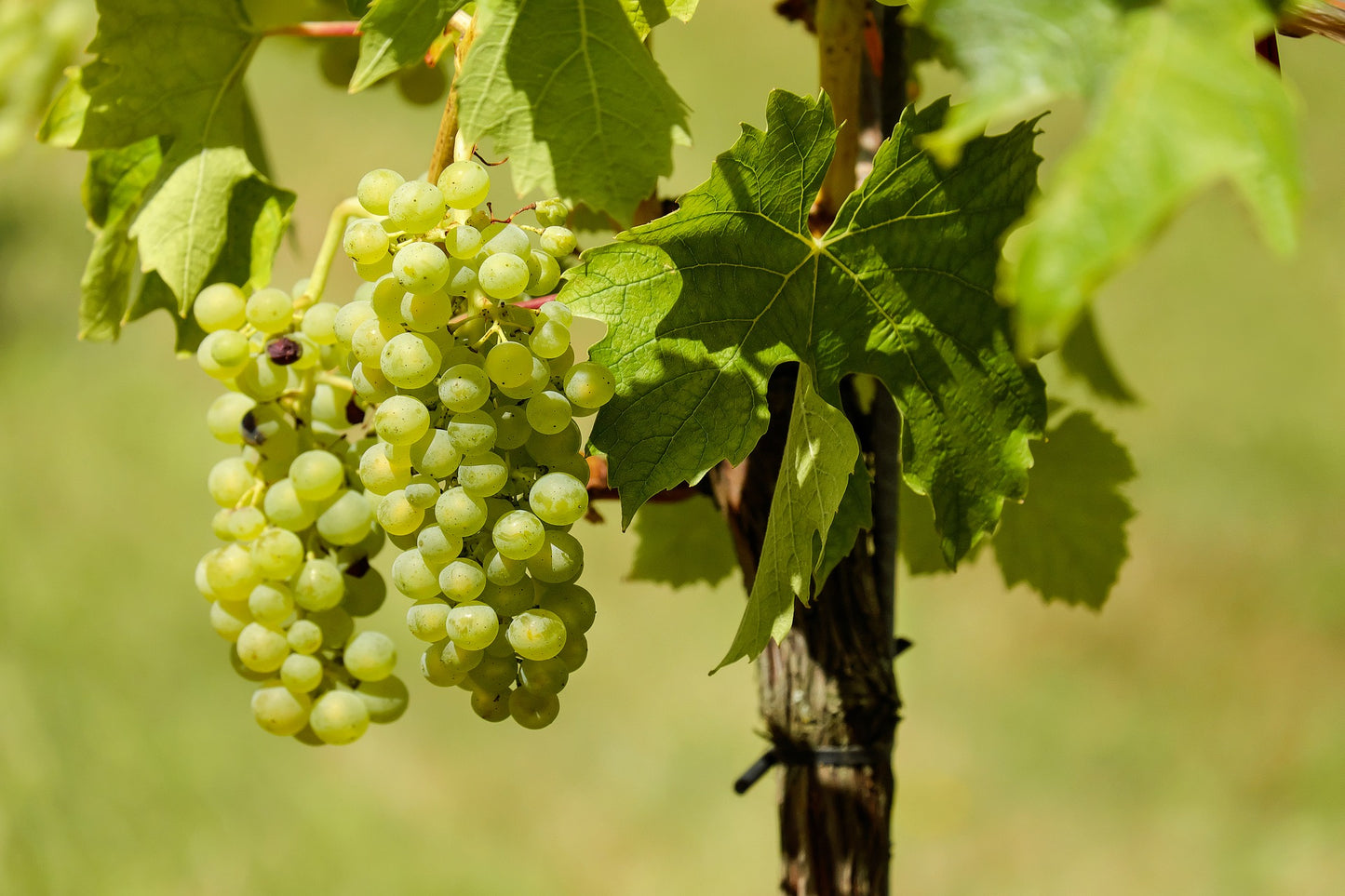
Brianna is a cold-hardy white grape variety known for its tropical, pineapple-like aroma and sweet, juicy flavor. Originally developed for northern climates, it performs reliably in colder regions while also adapting well to moderate growing zones. Brianna is popular for fresh eating and especially valued for producing highly aromatic white wines and juice.
This vigorous vine produces medium-sized clusters of greenish-yellow grapes that develop excellent sugar content when fully ripe.
Mature Size: 10–15 ft. or longer (depending on pruning and training)
Spacing: 6–8 ft. apart
Harvest Season: Early to mid-season (typically late summer; varies by region)
Growth Habit: Vigorous, climbing vine
Growing Information
USDA Hardiness Zones: 4–8
Sun Exposure: Full sun (8+ hours daily for best fruit production)
Soil Type: Well-drained sandy loam or loam
Soil pH: Slightly acidic to neutral (ideal range 5.8–6.8)
Watering
Keep soil consistently moist during the first growing season to establish strong roots.
Once established, vines are moderately drought tolerant but benefit from regular watering during flowering and fruit development. Provide about 1-2 inches of water per week during dry periods. Avoid overwatering, as grapes require excellent drainage and do not tolerate standing water.
Mulch lightly to conserve moisture, keeping mulch a few inches away from the trunk.
Sunlight
Full sun is essential for proper ripening, sugar development, and strong vine growth. At least 8 hours of direct sunlight daily is recommended for maximum fruit quality and wine potential.
Fertilizing
Grapevines are moderate feeders and should not be over-fertilized.
Early Spring (as buds begin to swell):
Apply a balanced fertilizer such as 10-10-10 at a rate of about ½ cup per young vine and up to 1 cup for mature vines. Spread evenly around the root zone and water thoroughly.
If vines show excessive leafy growth with limited fruiting, reduce nitrogen levels. Compost may be used as a natural alternative to synthetic fertilizers.
Support & Training
Brianna requires sturdy support such as a trellis, arbor, or fence.
Common training systems include:
• High cordon
• Single or double curtain
• Arbor or pergola systems
Proper training improves airflow, sunlight penetration, and fruit ripening while simplifying pruning and harvest.
Pruning
Grapes produce fruit on current-season shoots that grow from one-year-old wood. Pruning will vary depending on the training system you use, but generally you will:
• Prune annually during late winter while vines are dormant
• Remove 80–90% of the previous season’s growth
• Leave selected healthy canes with 8–12 buds each, depending on training system
• Remove weak, damaged, or overcrowded wood
Consistent annual pruning is essential for maintaining high-quality fruit production.
Harvesting
Brianna typically ripens in late summer, depending on climate.
Fruit is ready when berries turn fully greenish-yellow and develop high sugar content with a sweet, tropical aroma. Grapes do not continue ripening after harvest, so taste testing is the best indicator of readiness.
Harvest whole clusters using clean pruners. Refrigerate promptly and use fresh within 1–2 weeks, or process for juice or winemaking soon after harvest.
Propagation
Grapes are easily propagated from hardwood cuttings.
Hardwood Cutting Method:
In late winter while dormant, cut healthy one-year-old canes into 8–12 inch sections with at least 3–4 buds.
Plant cuttings horizontally in well-drained soil with at least 2 buds below the soil.
Keep soil moist but not soggy. Roots will form as temperatures warm in spring.